
Gut health is turning into a top priority for many people, and that’s not just a wellness fad. A happy gut supports everything from better digestion to stronger immunity, stable mood, and even clearer skin. With new discoveries popping up all the time, there are lots of practical ways to keep your gut in tiptop shape without a complicated routine. I’ve pulled together the most helpful gut health strategies heading into 2026 to help you feel your best every day.
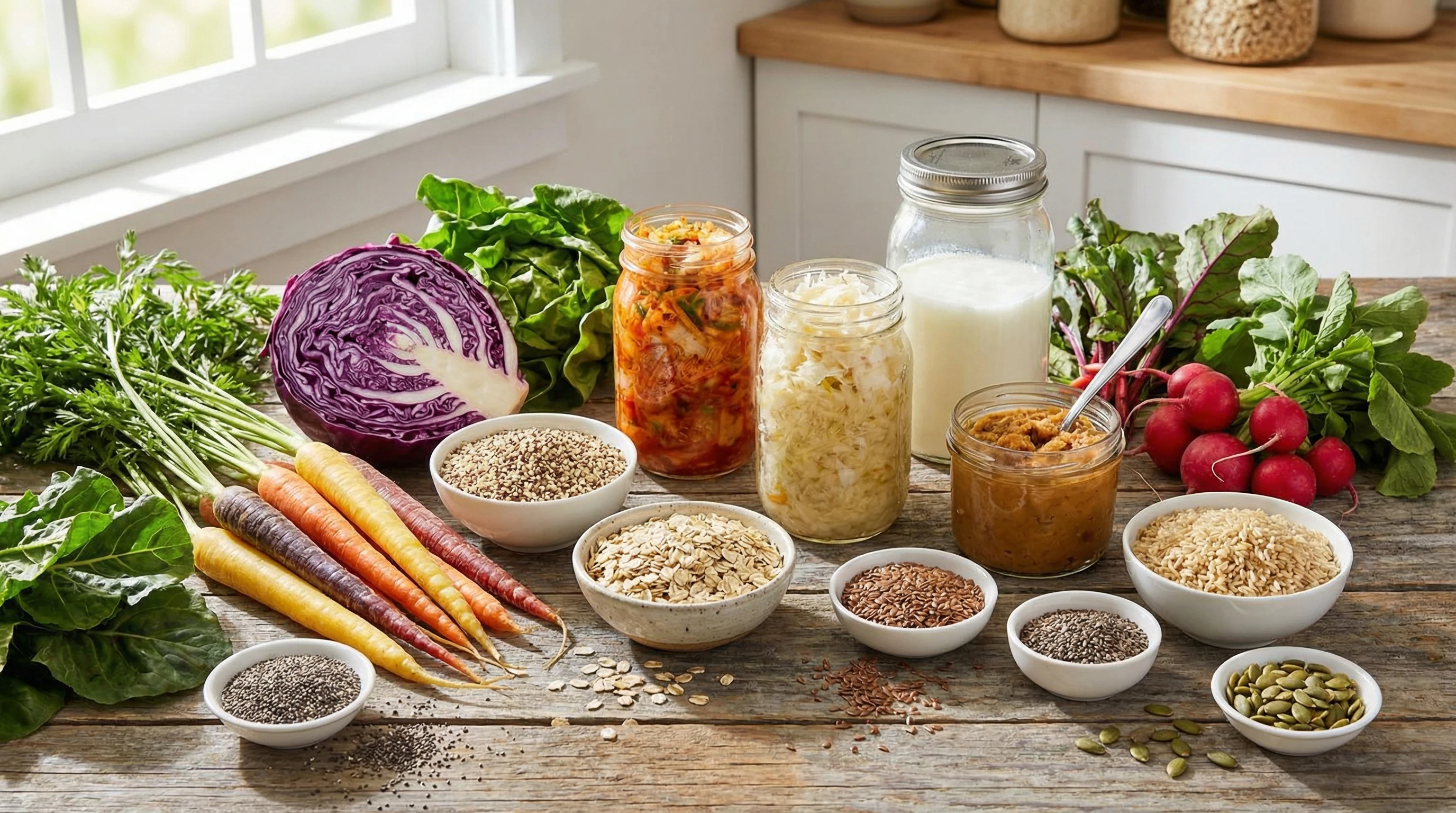
Understanding Why Gut Health Matters in 2026
Gut health is all about the balance and variety of tiny organisms, like bacteria, yeasts, and other microbes, living in your digestive tract. Science calls these your gut microbiome. When this ecosystem is balanced, your digestive system runs smoother and issues like bloating, food sensitivities, or sluggishness become less common. The gut is often called your “second brain” because it affects mood, focus, energy, and how your whole body responds to stress and illness.
Recent research has shown how important those microbes are for nutrient absorption and making vital compounds, like certain vitamins and anti-inflammatory molecules. Not only can a balanced gut reduce your odds of chronic issues such as type 2 diabetes and IBS, it’s even linked to healthier sleep and improved athletic performance.
People are becoming more aware of just how connected gut health is to other parts of life, fueling a wave of new solutions and support products aimed at keeping everything in balance. Staying up to date on these advancements makes it easier to build a gutfriendly routine that works for you personally.
Getting Started with Gutfriendly Habits
You can tweak your daily habits to support your gut without having to do a total lifestyle overhaul. The idea is to encourage the growth of helpful microbes and keep things running smoothly. Here are some terms and ideas to know as you start:
- Probiotics: These are the “good bacteria” found in food or supplements that help your gut stay balanced.
- Prebiotics: Non-digestible fibers that act like food for good microbes. They’re found in lots of plantbased foods.
- Fermented foods: Foods that have been naturally broken down by bacteria or yeasts, which boosts their probiotic content.
- Dysbiosis: An imbalance of the gut ecosystem, often caused by stress, junk food, or certain medications.
Quick Steps to Improve Gut Health
Small and steady changes make a big difference. Here’s my streamlined roadmap for boosting your gut health in 2026:
- Add More Fiber: Focus on whole grains, beans, vegetables, and seeds. Diversity is key; different foods feed different microbes.
- Enjoy Fermented Foods Regularly: Items like kimchi, yogurt, kefir, sauerkraut, and tempeh are packed with live cultures.
- Reduce Ultra-Processed Foods: These often contain preservatives and additives that can disrupt your gut balance.
- Stay Hydrated: Water keeps things moving and supports healthy digestion.
- Watch Stress Levels: Chronic stress can disrupt your hormones and throw your gut out of balance.
Making these simple changes part of your day-to-day meal plan will help boost the number and diversity of good gut microbes, which is what you want for longterm wellness.
What to Consider Before Trying New Gut Health Products
There are more gut health supplements and trending products than ever, with everything from fancy probiotics to monthly subscription superfood kits. Here are a few things that may help you make smarter choices:
- Supplement Quality: Not all probiotics are the same. Look for reputable brands with researchbacked strains and transparent labeling.
- Your Individual Needs: What works for someone else might not work for you. Keep track of how your body feels and talk with a healthcare provider before starting anything new.
- Possible Interactions: If you take medication or have chronic health conditions, check in with a professional since some supplements can interact with meds or worsen symptoms for certain people.
- Read Reviews and Research: Independent reviews and thirdparty testing can give you a better sense of whether a product is truly helpful or mostly hype. Websites like Labdoor and ConsumerLab are worth checking for supplement ratings.
Supplement Quality
Not every gut health pill or powder is worth your money. Some probiotics have live cultures that don’t survive long enough to deliver benefits, while others don’t list the specific bacterial strains. I recommend checking the packaging for a guaranteed live culture count through the product’s expiration date. Being picky about what you put in your body always pays off.
Personal Tolerance and Potential Side Effects
Trying fermented foods and new fibers can sometimes cause a little extra gassiness or bloating. That’s usually just your gut adjusting, but if something feels off for more than a week or gets uncomfortable, try scaling back or switching up what you eat. It’s always fine to experiment gently until you find what feels best for your own system.
Pace Yourself
If you haven’t eaten a lot of fiber or fermented stuff before, ramping up slowly is the way to go. Too much, too fast can overwhelm your gut, even with good bacteria. I like adding a small serving each day, then seeing how digestion responds before bumping up the amount.
Gut health can improve for anyone, no matter where you’re starting from. Listening to your own body and tracking changes over a couple weeks gives the best realtime feedback on what’s working.
Advanced Gut Health Tactics for 2026
Once you’ve built a solid foundation, there are some advanced techniques and upgrades you can try if you want to dig deeper into your wellness routine.
Try Personalized Testing: More companies now offer at-home gut microbiome test kits that give you a breakdown of your own gut bacteria and offer targeted guidance. Brands like Viome, Zoe, and Ombre keep switching up—sometimes their advice can help you fine-tune your fiber or probiotic choices.
Rotate Your Diet: Variety is really important for a robust gut microbiome. Make it a habit to swap out your grains, fruit, and veggies every week or two so your gut gets the broadest nutrient support. Even swapping up your plantbased protein sources goes a long way.
Consider Polyphenol Rich Foods: Polyphenols are plant compounds that feed beneficial gut bacteria. You’ll find these in things like berries, green tea, olives, and dark chocolate. Including a small amount of these foods each day can pep up your gut environment in a tasty way.
Focus on Sleep: It’s easy to overlook how sleep and gut health are linked. Interrupted sleep can actually throw off the gut’s natural rhythm and make it harder for healthy bacteria to flourish. Try keeping a regular bedtime routine and watching out for caffeine or screens up to an hour before bed.
Redesign Snack Time: Swap out processed snacks for gutfriendly options like roasted chickpeas, kefir smoothies, or veggie sticks with homemade hummus when hunger hits. These keep energy up while supporting your digestive crew.
Taking these to heart can really give you an edge, especially if you’ve already built good eating and lifestyle habits and want to get the most from the newer sciencebacked strategies. You might also find it helpful to journal any changes you experience so you can spot patterns and track what works best for your gut over several weeks or months.
Gut Health Basics to Focus on First
You don’t have to get everything perfect to get real results. Sticking to the basics is a smart way to see improvements without overwhelm. Here’s what usually makes the biggest difference right from the start:
- Mix Up Your Meals: The more different veggies, fruits, and whole foods you eat, the happier your gut microbes are.
- Avoid Overusing Antibiotics: Only use antibiotics when truly needed, as they wipe out both good and bad bacteria. If you do need them, consider timing a probiotic supplement or extra fermented foods afterward to help recover balance.
- Stick to Real Food: Foods that are as close to their natural state as possible are easy on the gut. Think whole grains, nuts, lean meats (if you eat meat), and colorful veggies over packaged snacks or instant meals.
- Move Your Body: Gentle, consistent movement like walking or yoga is good for digestion and helps circulate nutrients and hormones.
A realworld example: Swapping out your morning sugary cereal for steelcut oats with berries, flaxseed, and kefir makes your gut way happier throughout the day. You might notice more energy, fewer cravings, or fewer afternoon crashes from simple but steady changes like these.
Frequently Asked Questions About Gut Health
Gut health is a popular topic, with lots of curiosity and confusion. Here are a few of the top questions people have:
Question: Can probiotics help with all gut issues?
Answer: Probiotics can help certain gut issues, but they aren’t a cureall. Some people benefit from specific strains, while others need a broader dietary approach. It’s a good idea to find strains that fit your needs and see how you respond over a couple weeks.
Question: Are fiber supplements as good as whole foods?
Answer: Fiber supplements can help if you struggle to get enough fiber from meals, but natural whole food sources usually provide more types of fiber and important nutrients.
Question: How can I tell if my gut is healthy?
Answer: Signs of a happy gut include regular digestion, stable energy, rare stomach discomfort, and even clearer skin. If you’re dealing with frequent bloat, gas, or irregularity, your gut might need more TLC.
Question: Do fad diets like keto or carnivore harm gut health?
Answer: Diets that cut out lots of plant foods can limit the diversity of fibers your gut bacteria need, which isn’t usually great for longterm gut health. Moderation and balance with a range of whole foods tend to keep things moving in the right direction.
Your Gut Health Adventure in 2026
Gut health strategies just keep getting smarter and more effective, and it’s a good time to use new tools and traditional habits together. Start by focusing on fiber, variety, and a few simple lifestyle tweaks. From there, experiment with fermented foods or supplements if you want to take things further. As always, staying tuned in to how you feel and checking with a professional before big changes will keep you on a good path. Here’s to a gut that’s happy, balanced, and strong, now and in the years ahead.