
If you’ve ever dealt with bloating, irregular digestion, or just a general feeling that your stomach isn’t 100%, you’re definitely not alone. I’ve spent years tweaking my diet and lifestyle to support my gut, and it’s actually a lot more straightforward than it seems. There are no magical fixes, but making a few real, natural changes can help you feel better day-to-day. Here’s my guide to improving gut health naturally based on my own experience, some science, and tips I’ve picked up along the way.
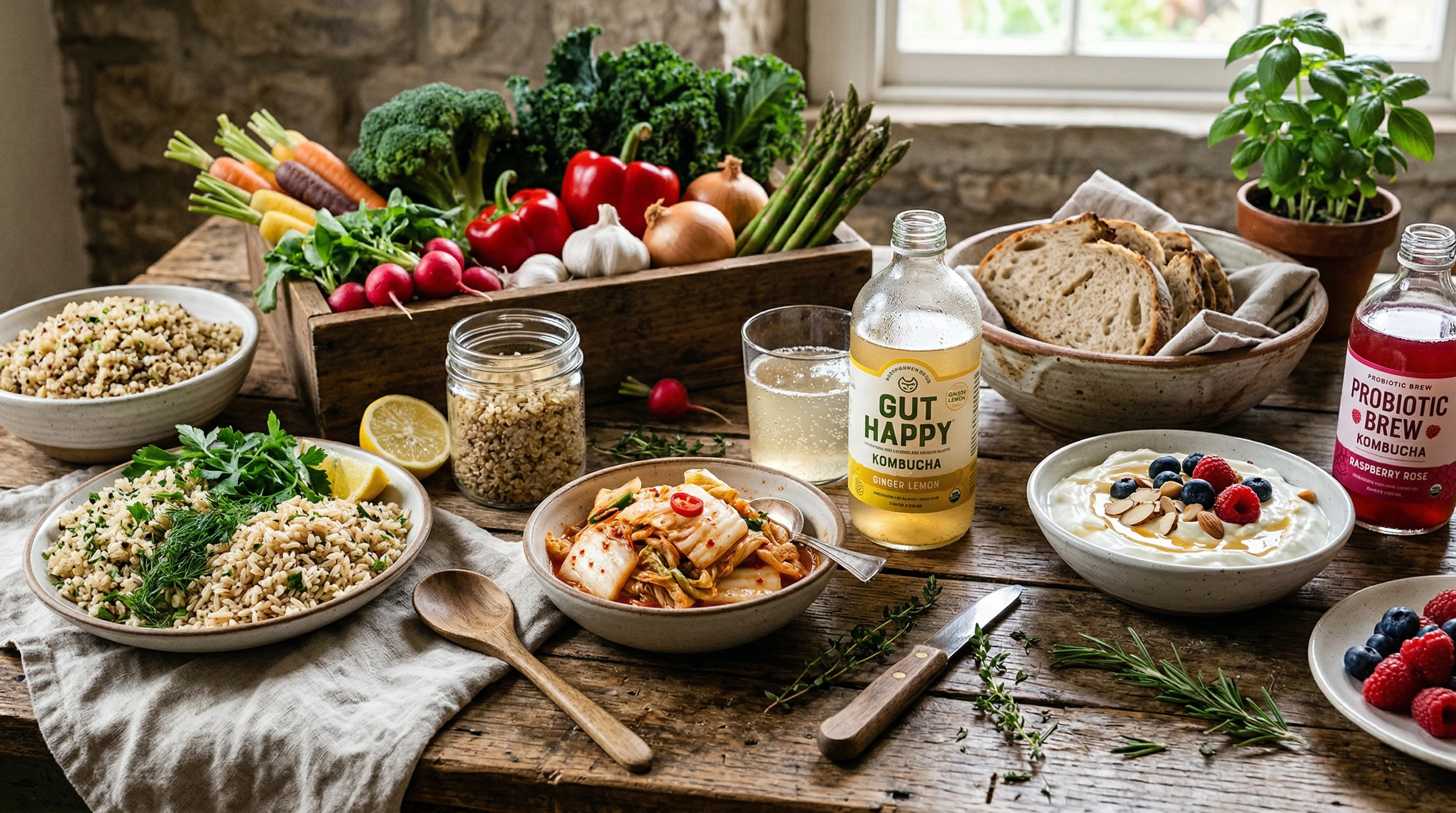
Why Gut Health Matters for Everyday Wellness
Gut health isn’t just about digestion. Your gut is home to trillions of bacteria and other microbes that support everything from your mood to your immune system. These tiny helpers make up your microbiome, and keeping them happy is super important for feeling your best. When your gut is off, you might notice it in ways you don’t even expect, like feeling tired, dealing with skin flare-ups, or catching colds more often.
Researchers have found that the gut and the brain are linked, so having a balanced gut can even help with stress and focus (Harvard Health). It’s wild how much the gut is connected to the rest of your body. The gut-brain connection, sometimes called the gut-brain axis, acts almost like a two-way street, with your gut sending messages to your brain and vice versa. That means gut issues can sometimes show up as mood swings or trouble concentrating, not just tummy troubles.
Start with Real Food: Choosing What Feeds Your Gut
The biggest thing I’ve learned is that what I eat every day matters way more than any single supplement. Here are some simple swaps and habits that can really make a difference:
- Pack in the Fiber: Foods like oats, berries, beans, and whole grains give your gut bacteria the fuel they need. Eating enough fiber supports regular digestion and keeps things moving smoothly.
- Go for Variety: Switching up your meals and snacks helps you get a range of nutrients and feeds lots of different microbes. I like trying new veggies at the farmer’s market or adding a handful of seeds to salads.
- Pick Whole Foods: Minimally processed foods (think fresh vegetables, nuts, and lean meats) don’t just taste better, they’re also kinder to your gut. Heavily processed snacks and sugary drinks can throw off your gut balance.
Eating with gut health in mind doesn’t mean you have to change everything overnight. Even one or two changes in your weekly grocery haul can help. You could start by swapping a white bread sandwich for a wholegrain wrap, or try roasting a tray of mixed veggies to use through the week. Simple moves like that start to make a real difference without overwhelming you.
Fermented Foods: My Top Picks and Why They Matter
Fermented foods are packed with live bacteria that can give a boost to your microbiome. I aim to add something fermented to my meals a few times a week, and it’s made a big difference in how I feel after eating. With time, I noticed my stomach feels calmer and I’m less prone to uncomfortable bloating after big meals. Here are some options that I’ve found super useful:
- Yogurt (with live cultures): Look for ones with “live and active cultures” on the label.
- Kefir: This tangy, drinkable yogurt is loaded with good bacteria and easy to toss into smoothies.
- Kimchi and Sauerkraut: Tangy, crunchy, and packed with probiotics. I love adding a spoonful to grain bowls.
- Kombucha: Sparkling, fermented tea that makes a nice swap for soda if you want something fizzy.
- Miso and Tempeh: Great for adding a savory punch and gutfriendly benefits to meals.
Fermented foods aren’t for everyone, and some people with certain digestive sensitivities might find them tough. Start small and see how your body responds. You might want to try just a spoonful of sauerkraut one day and see how that feels before adding more. If you’re already sensitive to certain foods, it’s especially important to notice any changes in how you feel.
Habits That Support Your Gut (Beyond What’s on Your Plate)
Eating well helps, but I’ve found that certain everyday habits can also have a big impact on gut health:
- Stay Hydrated: Water keeps your digestion running smoothly. I keep a big water bottle on my desk to remind me to drink throughout the day. If plain water bores you, try infusing it with cucumber or lemon for some extra flavor without any sugar.
- Move Around Daily: Even short walks after meals can help keep your gut happy by improving digestion and reducing discomfort. I use a quick stroll after dinner as a good way to wind down in the evening.
- Prioritize Sleep: Gut bacteria actually react to changes in your sleep patterns. I notice when I don’t sleep enough, my stomach feels off the next day. Aiming for a consistent bedtime even on weekends makes it easier for me to keep my energy and mood stable, too.
- Manage Stress: Stress can mess with your gut, causing everything from indigestion to stomachaches. Yoga, meditation, or just stepping outside for five minutes can help. Sometimes, listening to a favorite song or calling a friend for a chat is enough to help me reset and avoid stress-related gut discomfort.
These changes probably won’t make a difference in one day. But giving your body the right routine helps your gut recalibrate over time. Sticking with healthy habits lets your gut slowly adjust and settle into a better rhythm. If you do slip up, don’t beat yourself up—just roll back into your habits when you can.
Common Gut Challenges and How to Handle Them Naturally
Even with good habits, everyone faces gut problems now and then. Here’s how I approach some of the most common ones:
- Bloating: I’ve found eating slower, chewing thoroughly, and avoiding carbonated drinks makes a difference. Adding ginger tea after meals can help ease discomfort too.
- Irregular Digestion: Fiber and staying active usually smooth things out. If I get off track, I’ll double-check how much fiber and water I’m actually getting. Sometimes, a big salad or hearty veggie soup for lunch is what it takes to give my system a gentle nudge.
- Sensitivity to Certain Foods: Some foods like dairy, gluten, or beans can be hard to digest for some people. Keeping a food journal helps pinpoint what’s causing trouble. A simple notebook or an app where you track what you eat and how you feel can help you spot any patterns pretty quickly.
- Frequent Heartburn: Smaller meals and cutting back on spicy, acidic foods can bring relief. Lying down right after eating is something I try to avoid. If you notice certain foods spark discomfort, it’s smart to swap them for milder options whenever you can.
If gut problems stick around or get worse, it’s smart to check with a healthcare provider or registered dietitian. They can offer tips specific to you, and rule out anything more serious. Sometimes, underlying issues need a professional to spot, so never hesitate to ask if things feel off for too long.
Taking Care With Probiotics and Supplements
Probiotics (supplements with live “good bacteria”) get a lot of buzz. They can be helpful for some people, but not everyone needs them, especially if you’re already eating probiotic-rich foods. If you do use probiotics, check that you’re getting a reputable brand. Prebiotic supplements (like inulin or FOS) help, too, by feeding the bacteria already in your gut. Don’t forget that supplements should add to—not replace—a balanced, colorful diet. Whenever I try a new supplement, I start with a small dose to check for any side-effects and pay attention to how my system reacts.
Real-Life Examples: Putting Natural Gut Care into Practice
When I first started focusing on gut health, I kept it simple. Swapping white bread for wholegrain, trying kimchi, and walking more after dinner became part of my routine. Over time, I noticed less bloating, fewer sluggish afternoons, and better sleep. One of my friends had unexplained fatigue, and tweaking her diet to include more vegetables and fermented foods really helped her energy level. Another friend found that cutting back on soda and adding kombucha as a treat curbed her afternoon sugar cravings and cut belly discomfort.
It doesn’t take big, dramatic changes to get results. Tracking small improvements can keep you motivated and show you what’s working for your gut. Sometimes it’s as simple as feeling more comfortable in your clothes or having more energy for your favorite activities. Here are a few of my go-to habits:
- Trying Out New Recipes: I love experimenting with grain bowls, yogurt parfaits, and soups loaded with veggies. Adding sauerkraut or kimchi gives recipes more flavor and boosts gut health. Roasting veggies with garlic and olive oil, tossing beans into salads, or blending frozen berries into smoothies are easy ways to keep things lively.
- Shopping Smart: Stocking up on frozen veggies or keeping canned beans on hand means I always have gutfriendly options even when I’m short on time. I’ll also grab new produce to keep things mixed up. Prewashed greens and precooked lentils make healthy eating even easier on hectic days.
- Making Mindful Choices When Eating Out: Picking places with lots of veggie, bean, or wholegrain options means I stay on track without missing out socially. I always check menus ahead of time for options that fit my gut-friendly habits, and don’t stress if I want to indulge occasionally—it’s about progress, not perfection.
Another thing that helped me was sharing new foods with friends or family. Swapping recipes or splitting a jar of kimchi makes trying new things more fun, and it helps to have support as you try to step up your gut health game.
Frequently Asked Questions
Here are some questions I hear a lot when it comes to gut health:
Q: How long does it take to feel results from improving gut health?
A: Most people feel some improvements, like less bloating or more energy, in a few days to weeks—especially after adding more fiber and fermented foods. However, lasting gut balance builds up over months, so stick with it for ongoing progress.
Q: Are there foods I should avoid for gut health?
A: Processed foods high in sugar, certain artificial sweeteners, and fried foods aren’t gut-friendly. Everyone’s different, though, so it’s about finding what works for you. Sometimes even healthy foods can cause issues for specific people, so paying attention to how you feel after meals is important.
Q: Can stress really make my stomach worse?
A: Yes, stress can slow digestion or cause stomach pain. Simple relaxation routines can actually ease gut symptoms for a lot of people. Practices like deep breathing, gentle stretching, or just stepping away from a screen for a couple of minutes can make a difference.
Q: Should I take probiotics for gut health?
A: Probiotics might help some people, but a balanced, varied diet (with foods like yogurt, kefir, and kimchi) is usually enough. If you’re considering a supplement, it’s a good idea to chat with your healthcare provider. Remember to start slow and check for changes in how you feel.
Final Thoughts: Building Habits for a Happier Gut
Taking care of your gut is a marathon, not a sprint. A few easy changes—more fiber, colorful foods, fermented options, good hydration, and stress relief—are the basics that help most people feel better. If things feel off, making a change is easier than it looks. I’m always amazed by how even small tweaks end up making my whole day easier and a lot more comfortable. If you’re thinking about working on your gut health, starting with one or two changes goes a long way, and your body will thank you for it! Take it a step at a time and enjoy testing out new foods, recipes, and habits as you go.