
Getting to grips with the microbiome can feel like you’re learning a new language. My first real jump into this topic was out of pure curiosity; why do scientists keep mentioning gut bacteria, and what exactly goes on inside us? The word “microbiome” pops up everywhere from TV commercials to magazine covers. Still, most people are unsure what it means or why it actually matters. I’m here to share what I wish I knew when I was just getting started. This article helps you understand what the microbiome is, how it works, and why paying attention to it makes a difference in your health.
What Is the Microbiome? Breaking Down the Basics
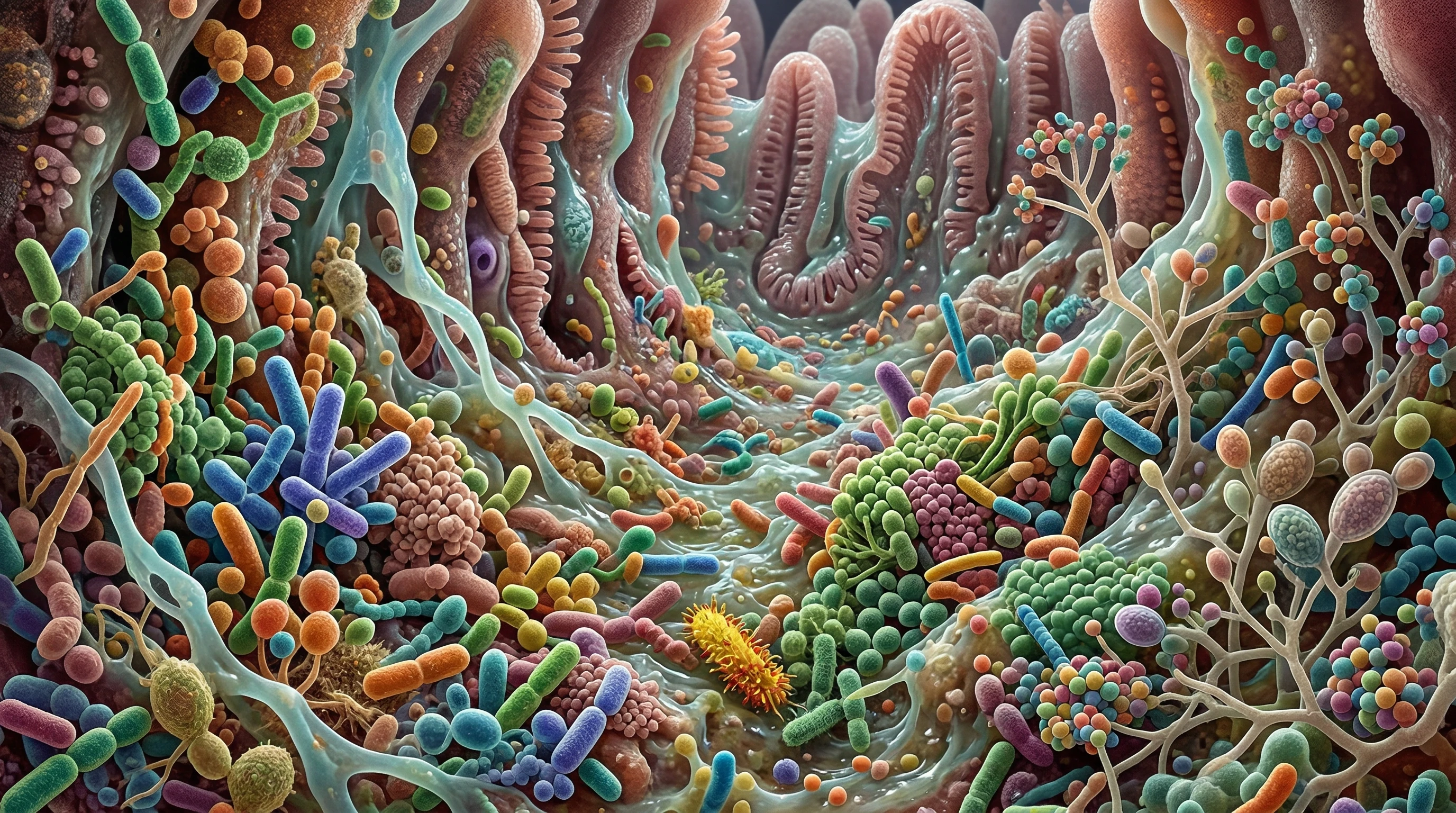
The microbiome is the collection of tiny organisms called microbes, including bacteria, viruses, fungi, and even tiny parasites, that live in, on, and around our bodies. Most of these microbes live in the digestive tract, especially the gut. Even though they are invisible to the naked eye, these microbes outnumber human cells in your body by the trillions. If you’re picturing germs that only make people sick, think again. Many of these microbes are completely friendly and keep things running smoothly.
Scientists have found that the human microbiome helps with digestion, immunity, and even influences your mood. Each person’s mix of microbes is a bit different, much like a thumbprint. Eating different foods, where you live, how often you wash your hands, and even if you grew up with pets all help shape your unique microbiome.
In recent years, research into the microbiome has sped up. Medical journals like Nature Microbiology provide up-to-date findings. For anyone starting to check out this area, understanding the basics helps clear up myths and get to the truth. In addition, documentaries and podcasts on health topics now regularly highlight the importance of our inner microbial world, showing just how much science values the microbiome.
Getting Started: Key Microbiome Terms to Know
When I first read about the microbiome, the terms alone confused me. Here’s a list of some you’ll run into most often:
- Bacteria: Single-celled organisms, most are harmless or helpful, and a few cause disease.
- Probiotics: Live “good” bacteria that may support digestive health. Found in yogurt, kefir, and some supplements.
- Prebiotics: Types of fiber in foods that feed healthy bacteria, found in onions, garlic, and bananas.
- Dysbiosis: An imbalance in your gut microbes, sometimes linked to digestive problems or illness.
- Fermentation: A process some microbes use to break down foods, creating things like yogurt, sauerkraut, and kimchi.
Knowing what these words mean helps you feel less lost when reading an article or checking in with your doctor about gut health. If you ever spot these terms on food labels or in supplements, you’ll be more prepared to make smart choices.
How the Microbiome Keeps Your Body Functioning
I used to think microbes in the gut just hung around. The truth is, they’re busy working behind the scenes. Here are some ways your microbiome helps you each day:
- Digesting food: Some plant fibers can’t be digested by human enzymes alone. Gut bacteria finish the job and help the body absorb nutrients.
- Producing vitamins: Microbes in the gut help make vitamins like B12 and K, which your body uses for energy and blood clotting.
- Supporting the immune system: The microbiome and immune system talk to each other all day long. These microbes train the body to know what’s dangerous and what’s not.
- Affecting mood: Researchers have linked the microbiome to brain health. Some bacteria help produce chemicals like serotonin, which affects how you feel.
Now, when I eat a bowl of oatmeal or enjoy a serving of kimchi, I know it’s not just about taste. It’s also feeding and supporting my “inner garden” of microbes. This inner garden, when thriving, can help reduce inflammation and even support your body’s response to stress, which I found surprising at first.
Steps for Supporting a Healthy Microbiome
When I first focused on gut health, I expected a long list of special foods and supplements. What I found instead is that the basics matter the most. Here are some starting points:
- Eat a variety of plant foods. Different microbes love different fibers. More fruits, vegetables, legumes, and whole grains mean more diversity for your gut.
- Include fermented foods. Yogurt, kefir, kimchi, miso, and sauerkraut all contain live, active bacteria that can support your microbiome.
- Don’t overdo antibiotics. These medications help fight infections, but they also kill good bacteria. Only use antibiotics when medically necessary and follow your doctor’s advice.
- Avoid unnecessary cleanses. Extreme detox diets or frequent colon cleanses can disrupt your microbial balance. Instead, focus on regular, balanced meals.
- Reduce too much added sugar. Too much processed sugar and ultraprocessed foods can encourage less helpful types of microbes. Whole foods usually do a better job at supporting your microbiome.
Experimenting with small, steady changes helped me figure out what worked best for my routine. If I skipped vegetables for a week or ate mostly fast food, I often felt more sluggish or noticed changes in digestion. Another helpful step was paying attention to my snack choices. Swapping candy bars for nuts and seeds not only satisfied my cravings but made my stomach feel more comfortable over time.
Staying hydrated is another point worth mentioning. Drinking enough water helps keep things moving in your digestive tract, which means your friendly gut microbes can do their best work. I noticed a real improvement in my overall digestion when I aimed for several glasses of water a day.
Challenges When Learning about the Microbiome
During your first look into the microbiome, you may come across confusing claims or run into a few familiar challenges. I’ve dealt with these, and here’s what I found helpful:
- Confusing information: Not all sources are trustworthy. Stick with research-backed sites like PubMed or reputable hospital and university websites.
- Overhyped supplements: Not every probiotic works the same. The best way to support your microbiome is usually with real food, not pills. If you’re thinking about a supplement, ask your doctor what makes sense for your needs.
- Digestive problems: Sometimes new foods or fiber can cause gas or bloating at first. I learned to add new foods slowly, giving my body time to adjust.
- Expecting quick fixes: It took time for me to feel a difference in my health. Sticking with regular patterns, eating more fiber, choosing whole foods, and managing stress, worked better in the long run.
Dealing with Digestive Upset
When I tried adding more beans and raw veggies to my diet, my body took a little time to catch up. Extra fiber feeds bacteria, but it can also mean more gas as they break food down. Drinking more water, chewing slowly, and allowing myself to adjust one meal at a time helped make the change easier. If you notice serious discomfort, scale back and slowly add new foods over a few weeks, which can smooth the way for your gut.
Sorting Fact from Fiction
Online health forums feature plenty of advice, but some tips can be misleading or even risky. When I have questions, I turn to qualified sources like the Mayo Clinic or my own health provider. Careful research helps buyers make informed decisions and keeps me away from fads. Don’t hesitate to ask your doctor—even seemingly simple questions about digestion can lead to advice that improves your well-being.
Tips for Building Long-Term Microbiome Health
I found that a balanced routine worked best for supporting my microbiome. Here are some things that helped me stick with it:
Think about color and variety when shopping. Choosing carrots, berries, leafy greens, whole grains, and nuts all helps different microbes flourish.
Keep up daily healthy habits. I try to walk each day, manage stress through deep breathing, and sleep on a regular schedule. These routine choices make a big difference in overall wellness and support the microbiome, too.
Cook more meals at home. Making simple meals from scratch gives me control over the ingredients and helps skip additives that can disrupt microbial balance.
Talk with your doctor if you notice major digestive changes. Sudden mixups like ongoing diarrhea or unexplained weight loss deserve attention by a qualified medical professional. Don’t wait too long to check in.
Over time, keeping an eye out for changes in energy or digestion made me realize how closely my gut and mood are linked. Socializing and getting outdoors, although not often discussed, may also play a role in gut health by lowering stress levels and adding to your sense of well-being. The more you pay attention, the easier it is to spot patterns—both good and bad.
Everyday Applications: Why the Microbiome Matters
The microbiome might seem like a science project, but its effects reach into everyday life. Having a healthy, balanced group of gut microbes can make it easier to digest food, lower the chances of getting certain infections, and might even help with things like allergies and maintaining a healthy weight. I notice that the more I focus on the basics, variety, fiber, and fermented foods, the better I tend to feel.
- Daily digestion: Fewer upset stomachs and better regularity
- Immunity: Recovering from colds or bugs a bit faster
- Energy levels: Noticing more steady energy during the day
- Positive mood: Feeling more even, less foggy
Some people even notice their skin improves or allergies ease up after several months of a gut-friendly routine. While results vary for everyone, keeping an open mind and watching your personal trends will help you make choices that suit your own needs.
Frequently Asked Questions about the Microbiome
After many conversations with friends and family, I’ve rounded up a few common questions I hear:
Question: Do I need a probiotic supplement for gut health?
Answer: Not everyone needs a probiotic supplement. Many people do well just by eating a variety of highfiber and fermented foods. If you have a certain health condition, your doctor may suggest a specific probiotic.
Question: Can what I eat really change my microbiome?
Answer: Yes, food choices have a big effect on the mix of microbes in your body. Adding more types of whole plant foods and cutting down on ultraprocessed foods can be a helpful start.
Question: How long does it take to improve my microbiome?
Answer: Some changes to the gut microbiome can happen within days, but lasting improvements are most likely when you stick with consistent, healthy changes for weeks or months.
Question: Does exercise help my microbiome?
Answer: Regular exercise does seem to add to gut health. Studies show active people often have more diverse gut bacteria, which is a good thing for digestion and the immune system. Even moderate activities like walking or cycling may give your gut a boost.
Starting Your Microbiome Adventure
Learning about the microbiome made me pay more attention to how I feel after different meals. Building habits like eating more plants, trying new fermented foods, and talking to professionals if I notice any issues all helped me take charge of my own gut health adventure. The science still grows, but putting these ideas into practice gave me a fresh way to care for my health from the inside out. Everyday steps—choosing colorful foods, drinking water, and sticking to healthy routines—can let your inner world of microbes help you shine from the inside.